
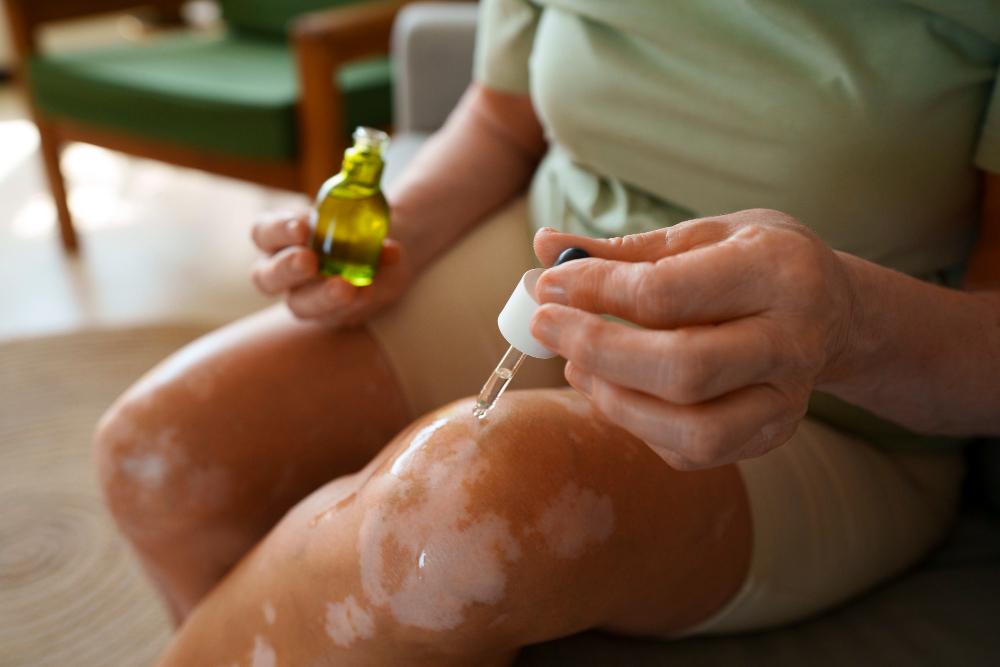
What is Psoriasis?
Psoriasis is a long-lasting skin condition. It causes red, scaly patches on the skin. These patches can be itchy or sore. Often, they appear on the elbows, knees, scalp, or back. However, they can show up anywhere. Many people look for natural remedies for psoriasis, including homeopathy for psoriasis. This approach uses gentle, plant-based medicines. According to the World Health Organization (WHO), psoriasis is not contagious. But it can affect your daily life and self-confidence.
Common Symptoms of Psoriasis
Psoriasis symptoms can vary from person to person. Still, some signs are more common. For example, you may notice:
Sometimes, symptoms get worse during certain times. For instance, cold weather or stress can trigger flare-ups. If you notice these signs, it is important to seek advice.
Causes and Risk Factors
Psoriasis happens when the immune system speeds up skin cell growth. Normally, skin cells grow and fall off in weeks. With psoriasis, this process takes only days. As a result, skin cells pile up and form patches. Although the exact cause is not clear, several risk factors can increase your chances:
While you cannot change your genes, you can manage some risk factors. For example, reducing stress may help lower flare-ups.
How Homeopathy Approaches Psoriasis
Homeopathy for psoriasis uses natural remedies to support the body’s healing. Homeopathic doctors look at your symptoms, lifestyle, and health history. Then, they choose a remedy that matches your needs. Unlike some treatments, homeopathy aims to treat the root cause, not just the skin. For instance, if stress triggers your psoriasis, your remedy may also address stress. Many people choose homeopathic treatment for skin conditions because it is gentle and safe. However, it is important to work with a qualified homeopath.
Popular Homeopathic Remedies for Psoriasis
Several homeopathic medicines are used for psoriasis. Each remedy is chosen based on your unique symptoms. Some popular options include:
Even though these remedies are common, you should not self-treat. Always consult a homeopathic practitioner for the right psoriasis homeopathic medicine.
Benefits and Limitations of Homeopathic Treatment
Homeopathy for psoriasis offers several benefits. For example, it uses natural substances and is usually safe for most people. Many find it gentle and free from harsh side effects. In addition, homeopathy looks at the whole person, not just the skin. However, there are some limitations. Homeopathic remedies may take time to show results. Also, not all cases respond the same way. According to the Centers for Disease Control and Prevention (CDC), more research is needed to confirm how well homeopathy works for psoriasis. Therefore, it is best to use homeopathy along with medical advice.
Lifestyle Tips for Managing Psoriasis
Besides homeopathic treatment for skin conditions, healthy habits can help manage psoriasis. Try these tips:
With these steps, you may notice fewer flare-ups. Still, everyone is different, so find what works best for you.
Prevention and When to Seek Medical Advice
While you cannot always prevent psoriasis, you can lower your risk. For instance, avoid triggers like stress, injuries, or harsh chemicals. If you have a family history, stay alert for early signs. Importantly, seek medical advice if:
Early treatment can prevent complications. In summary, homeopathy for psoriasis may help some people, but always talk to a doctor or homeopath first.
Consult a qualified homeopathic practitioner or dermatologist, like Dr. Sathvik Bharadwaj, for personalized advice on managing psoriasis.